MAPA: A Semantic Network Framework for Functional Module Discovery and Interpretation in Multi‐Omics Data
Abstract
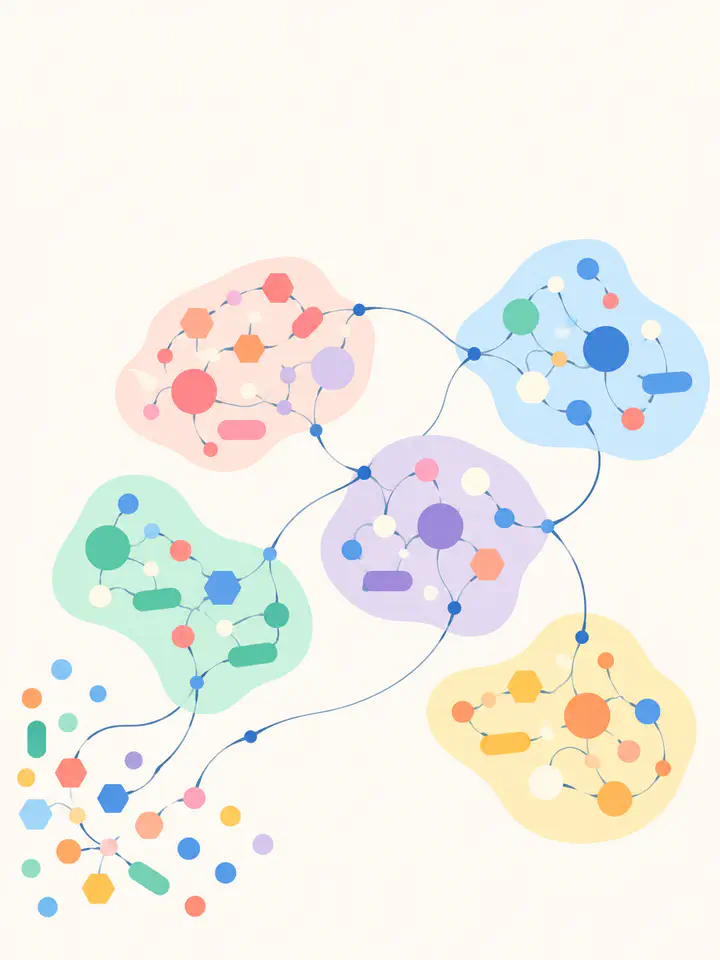
Multi‐omics technologies generate high‐dimensional molecular signatures that provide unprecedented opportunities to uncover biological mechanisms. However, translating complex molecular alterations into coherent and interpretable functional insights remains a major challenge. Existing module discovery methods can identify groups of related features, but often lack direct biological interpretability, whereas pathway‐based approaches frequently yield redundant results that complicate interpretation. Here, we present MAPA (Modular Analysis and Phenotype‐informed Annotation using large language models [LLMs]), a semantic‐biological network framework for functional module discovery and interpretation in multi‐omics data. MAPA integrates molecular interactions and pathway‐level functional context into a unified semantic‐biological network, and applies random walk with restart to quantify global functional relatedness among molecules and pathways for coherent module discovery across omics layers. MAPA further incorporates LLM‐assisted interpretation with retrieval‐augmented generation (RAG) to produce structured, literature‐informed module interpretation. Benchmarking against existing approaches shows that MAPA achieves superior module reconstruction and expert‐aligned functional interpretation. Applied to aging‐related multi‐omics datasets, MAPA reveals biologically coherent modules and biological insights that are difficult to obtain from conventional pathway analyses alone. MAPA provides a generalizable framework for organizing fragmented and heterogeneous molecular features into functional modules and comprehensive interpretations.
Yifei GE
PhD Candidate (2025-)
Biostatistics, Microbiome, Mathematics Modelling, Bioinformatics, Population Health, Multi-omics.
Yijiang LIU
PhD Candidate (2025-)
Biostatistics, Microbiome, Mathematics Modelling, Bioinformatics, Population Health, Multi-omics.

Chao Jiang
Professor
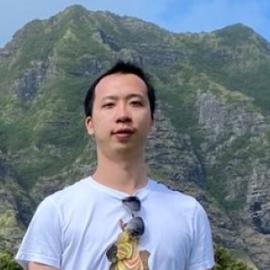
Peng GAO
Assistant Professor
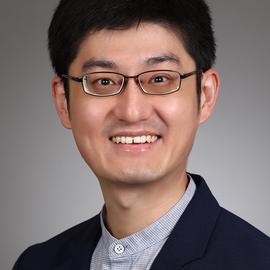
Sai ZHANG
Assistant Professor

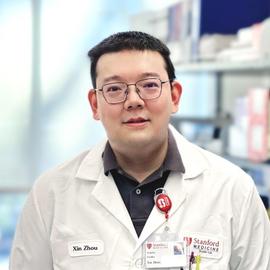
Xin ZHOU
Professor
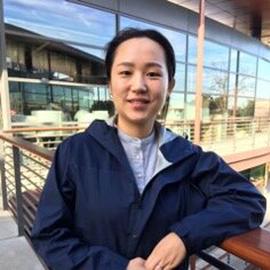
Chuchu Wang
Nanyang Assistant Professor
Xiaotao SHEN
Nanyang Assistant Professor
Metabolomics, Multi-omics, Bioinformatics, Systems Biology.