
Opportunities


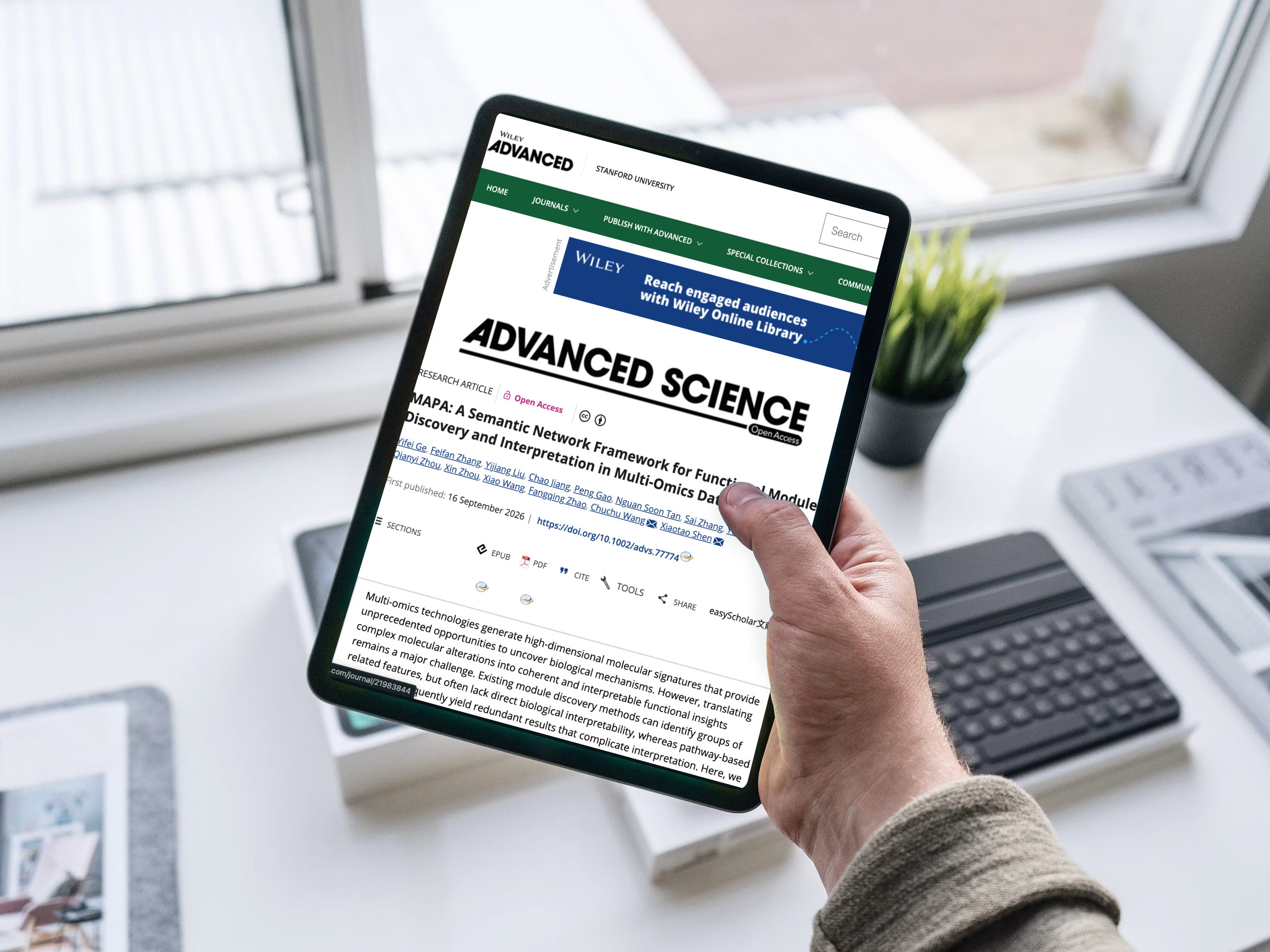
We are excited to announce multiple openings at Shen Lab, Nanyang Technological University, for passionate and dedicated researchers. Our team is at the forefront of multi-omics research, focusing on innovative algorithm and method development for the integration of multi-omics data, particularly in the areas of microbiome and metabolome, and their impact on human health. Positions Available are PhD Students, Postdoctoral Researchers, Research Assistants, and Lab Manager.

πŸ”¬ RESEARCH

πŸ‘‰ Detailed Research

Our research is focused on the development of computational methods for the analysis of multi-omics data, with a particular emphasis on metabolomics and microbiome data. We are also interested in the application of these methods to precision medicine, aging, pregnancy, and other health-related areas.
πŸ§‘ Aging and Aging-Related Diseases

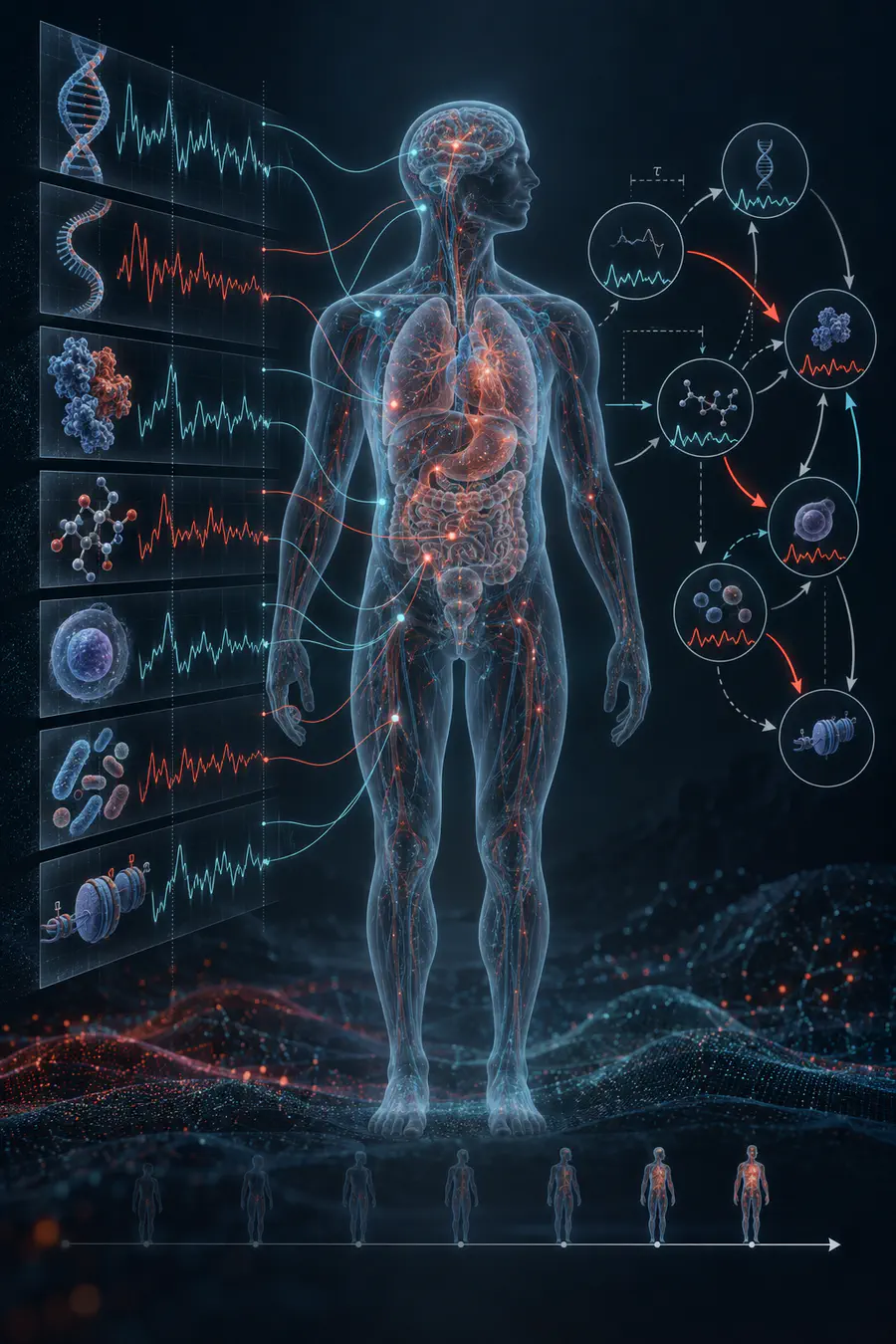
Aging is a complex biological process characterized by a gradual decline in physiological functions, which increases susceptibility to diseases and death. This process is influenced by a myriad of genetic, environmental, and lifestyle factors. Our research on aging and aging-related diseases like AD and PD is utilizing multi-omics and wearable technology to gain a comprehensive understanding of the aging process. The ultimate goal of our research is to develop predictive models for aging and aging-related diseases. These models aim to integrate multi-omics data with information from wearable devices, along with clinical and demographic information. Machine learning and artificial intelligence algorithms are employed to analyze this vast and complex dataset, with the objective of identifying patterns and predictive biomarkers. In summary, our lab’s research represents a cutting-edge, interdisciplinary approach to studying aging, leveraging the power of multi-omics and wearable technology to build comprehensive predictive models for aging and its related diseases. This research not only deepens our understanding of the biological processes of aging but also holds promise for improving health outcomes in the aging population.

πŸ§‘ Aging and Aging-Related Diseases
🀰 Maternal and Child Health πŸ‘Ά

Maternal and Child Health (MCH) is a critical public health domain focused on the health and well-being of mothers and children. Our lab’s research in Maternal and Child Health, particularly concerning preterm birth, is employing multi-omics and wearable technology to deepen understanding and improve outcomes. Our lab is likely integrating data from these multi-omics analyses with information collected from wearable devices to create a comprehensive picture of maternal and fetal health. This integrated approach can identify patterns and risk factors associated with preterm birth and other pregnancy-related complications. Advanced data analysis techniques, including machine learning and AI, are used to analyze these complex datasets, aiming to develop predictive models for adverse pregnancy outcomes.

🀰 Maternal and Child Health πŸ‘Ά
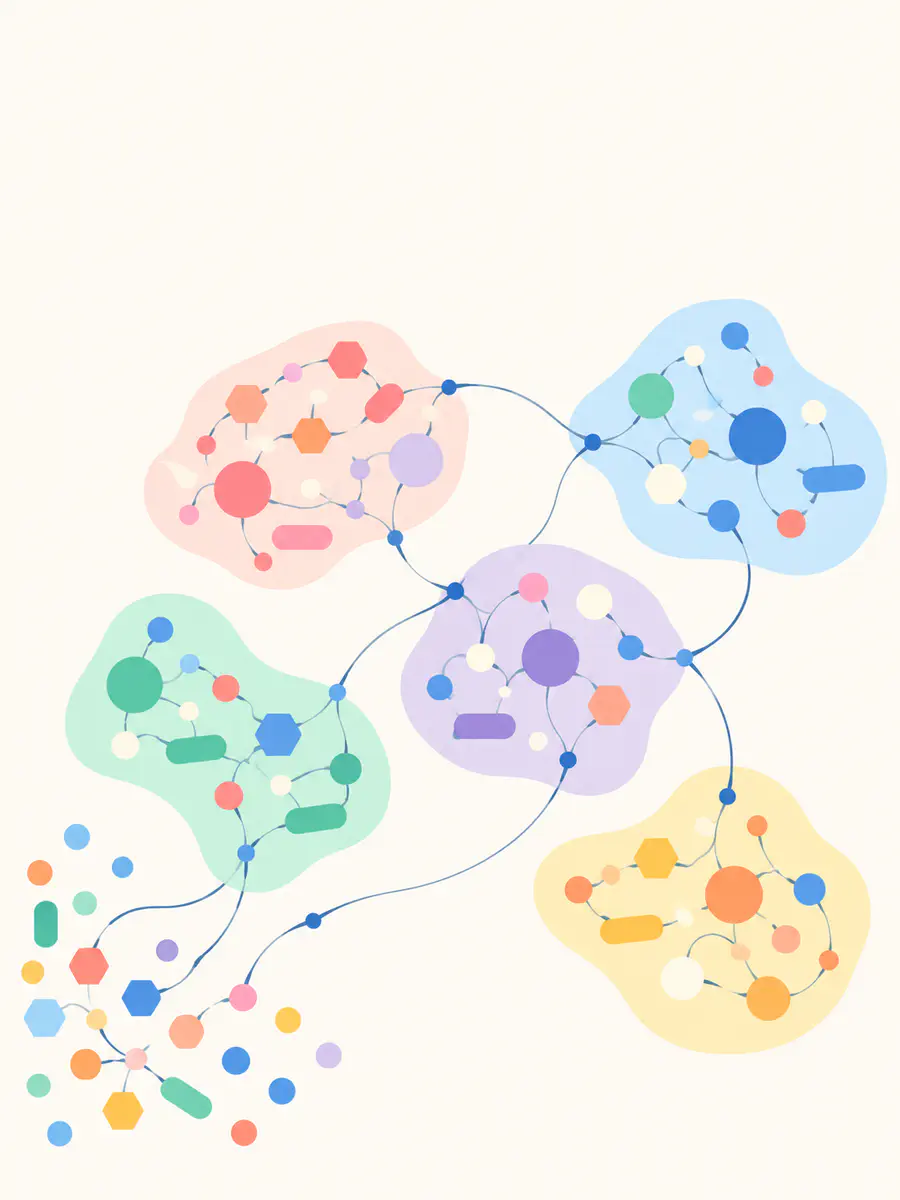
πŸ’» ⌚ 🧬 Multi-Omics Data Integration

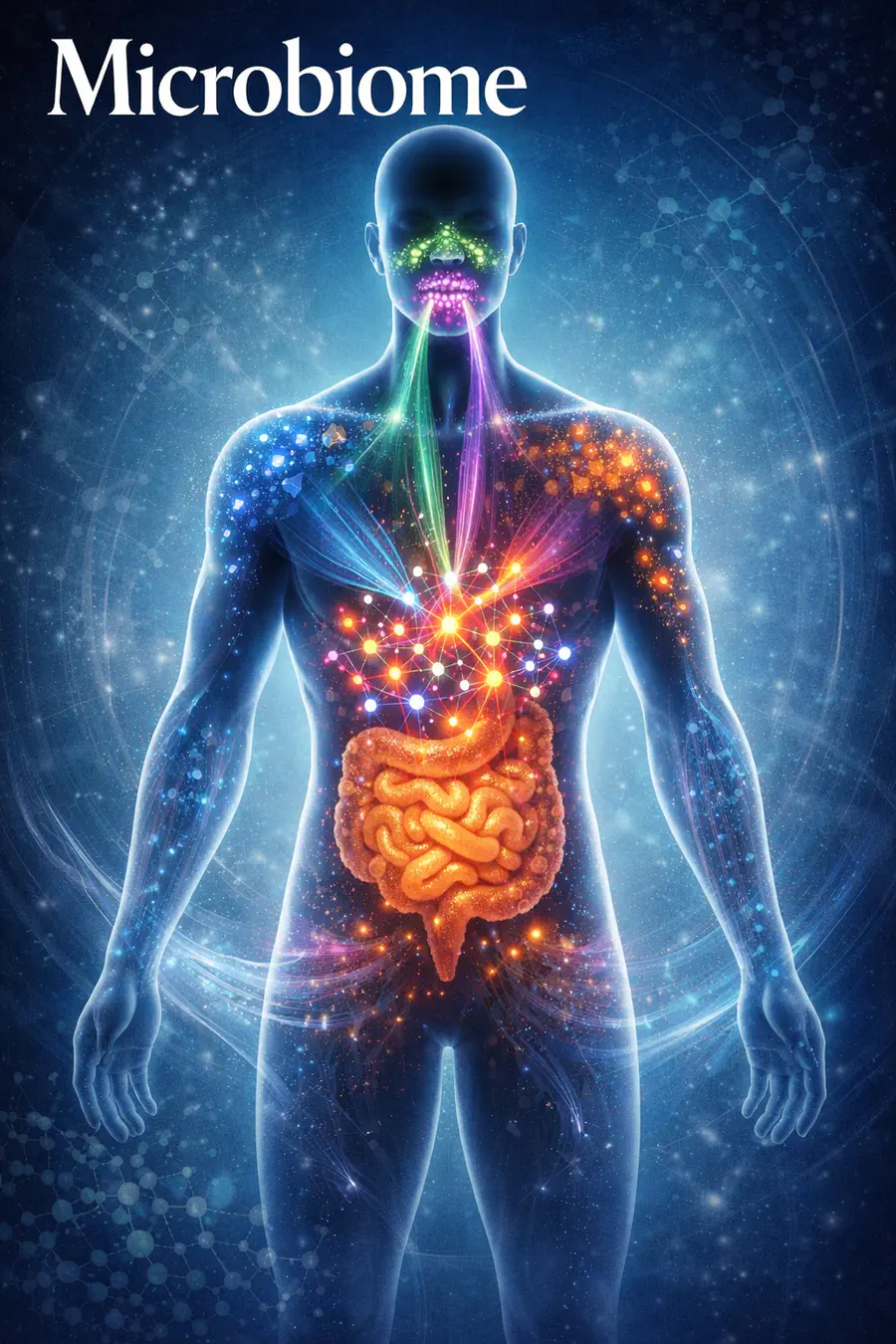
Our lab’s research focuses on integrating multi-omics and wearable data to advance the field of precision medicine, with a special emphasis on understanding the intricate interplay between the microbiome and metabolome. Our research likely involves analyzing how the microbiome affects the metabolome and vice versa. For instance, certain metabolites produced by the microbiome can impact human metabolic pathways, while changes in the host’s metabolism can alter the microbiome composition. Understanding this bidirectional relationship is crucial for developing targeted therapeutic strategies. The ultimate goal of our lab’s research is to use the integrated data from multi-omics and wearables for precision medicine. By understanding the complex interactions between the microbiome and metabolome, and how they relate to individual physiological states, our aim to develop personalized healthcare strategies. This could involve tailored dietary recommendations, customized probiotic or prebiotic therapies, or specific drug treatments based on an individual’s unique microbiome-metabolome profile.

πŸ’» ⌚ 🧬 Multi-Omics Data Integration

πŸ–₯️ SOFTWARE

*

πŸ“ƒ PUBLICATION

πŸ‘‰ All Publications

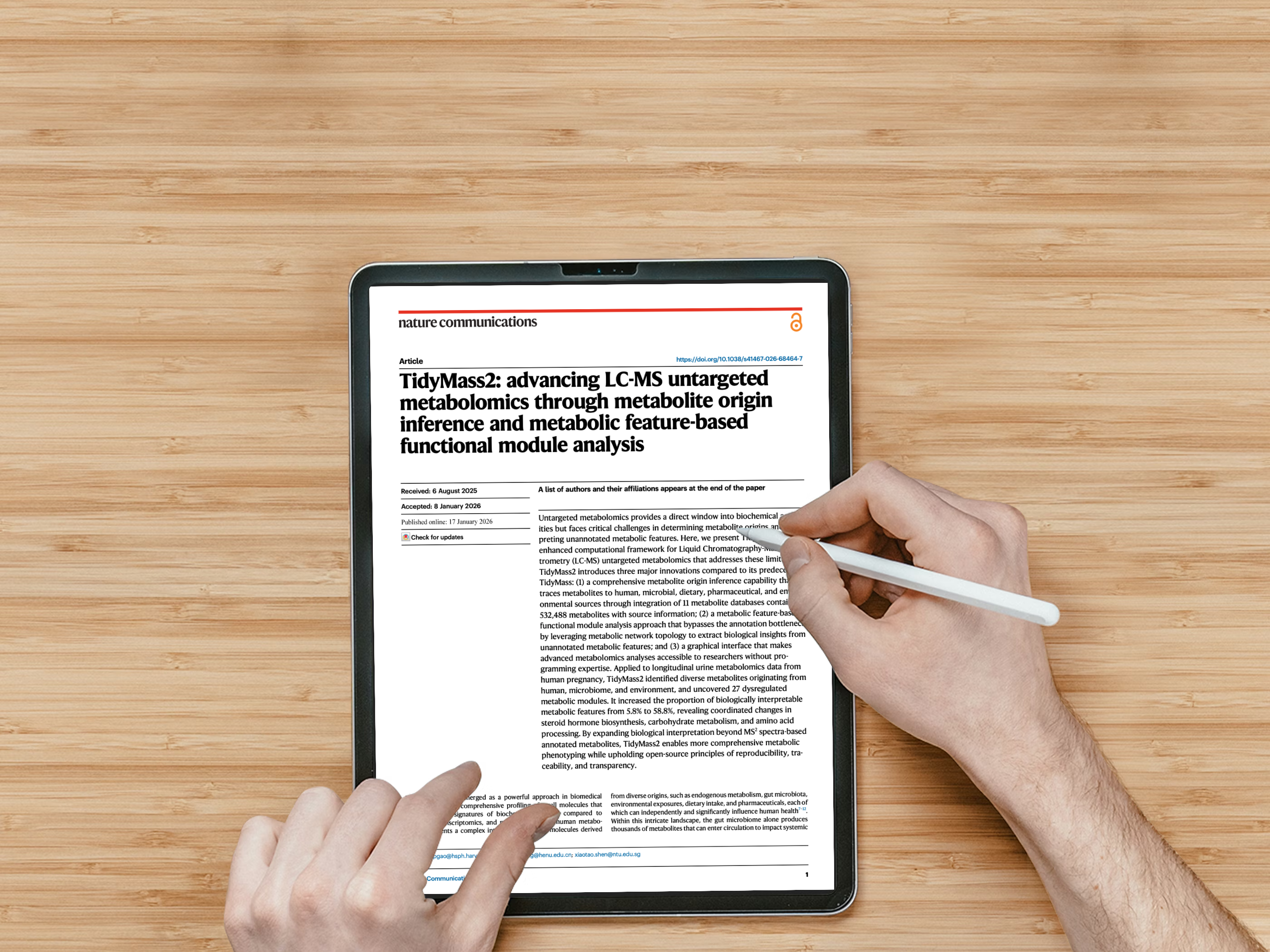
TidyMass2 Advancing LC-MS Untargeted Metabolomics Through Metabolite Origin Inference and Metabolic Feature-based Functional Module Analysis
Untargeted metabolomics provides a direct window into biochemical activities but faces critical challenges in determining metabolite origins and interpreting unannotated metabolic features. Here, we present TidyMass2, an enhanced computational framework for Liquid Chromatography-Mass Spectrometry (LC-MS) untargeted metabolomics that addresses these limitations. TidyMass2 introduces three major innovations compared to its predecessor, TidyMass (1) a comprehensive metabolite origin inference capability that traces metabolites to human, microbial, dietary, pharmaceutical, and environmental sources through integration of 11 metabolite databases containing 532,488 metabolites with source information; (2) a metabolic feature-based functional module analysis approach that bypasses the annotation bottleneck by leveraging metabolic network topology to extract biological insights from unannotated metabolic features; and (3) a graphical interface that makes advanced metabolomics analyses accessible to researchers without programming expertise. Applied to longitudinal urine metabolomics data from human pregnancy, TidyMass2 identified diverse metabolites originating from human, microbiome, and environment, and uncovered 27 dysregulated metabolic modules. It increased the proportion of biologically interpretable metabolic features from 5.8% to 58.8%, revealing coordinated changes in steroid hormone biosynthesis, carbohydrate metabolism, and amino acid processing. By expanding biological interpretation beyond MS2 spectra-based annotated metabolites, TidyMass2 enables more comprehensive metabolic phenotyping while upholding open-source principles of reproducibility, traceability, and transparency.
TidyMass2 Advancing LC-MS Untargeted Metabolomics Through Metabolite Origin Inference and Metabolic Feature-based Functional Module Analysis
Metabolomics and proteomics reveal blocking argininosuccinate synthetase 1 alleviates colitis in mice
To date, treating ulcerative colitis (UC) remains a significant challenge due to its complex etiology. In this study, metabolomics and proteomics analysis for multi-center cohorts reveal that both serum arginine levels and the rate-limiting enzyme argininosuccinate synthetase 1 (ASS1) are significantly elevated in UC patients. Exogenous arginine infusion and ASS1 overexpression exacerbate the pathological features of colitis in mice, while inhibiting or silencing ASS1 offers protection against experimental colitis. The induction of ASS1 is accompanied by increased levels of acetylated H3 and trimethylated H3K4, along with decreased levels of dimethyl H3K9 around the ASS1 promoters, suggesting epigenetic activation of ASS1 in colitis. The ASS1/arginine axis triggers mTOR and iNOS activation and induces gut microbiota dysbiosis, leading to experimental colitis. Additionally, we identify a screened compound, C-01, which significantly improves colitis by highly binding to ASS1. Our findings suggest that ASS1 could be a promising target for UC treatment.
Metabolomics and proteomics reveal blocking argininosuccinate synthetase 1 alleviates colitis in mice
Longitudinal Urine Metabolic Profiling and Gestational Age Prediction in Pregnancy
Pregnancy is a critical time that has long-term impacts on both maternal and fetal health. During pregnancy, the maternal metabolome undergoes dramatic systemic changes, although correlating longitudinal changes in maternal urine remain largely unexplored. We applied an LCMS-based untargeted metabolomics profiling approach to analyze 346 longitudinal maternal urine samples collected throughout pregnancy for 36 women from diverse ethnic backgrounds with differing clinical characteristics. We detected 20,314 metabolic peaks and annotated 875 metabolites. Altered metabolites include a broad panel of glucocorticoids, lipids, and amino acid derivatives, which revealed systematic pathway alterations during pregnancy. We also developed a machine-learning model to precisely predict gestational age (GA) at time of sampling using urine metabolites that provides a non-invasive method for pregnancy dating. This longitudinal maternal urine study demonstrates the clinical utility of using untargeted metabolomics in obstetric settings.
Longitudinal Urine Metabolic Profiling and Gestational Age Prediction in Pregnancy
Longitudinal profiling of the microbiome at four body sites reveals core stability and individualized dynamics during health and disease
To understand the dynamic interplay between the human microbiome and host during health and disease, we analyzed the microbial composition, temporal dynamics, and associations with host multi-omics, immune, and clinical markers of microbiomes from four body sites in 86 participants over 6 years. We found that microbiome stability and individuality are body-site specific and heavily influenced by the host. The stool and oral microbiome are more stable than the skin and nasal microbiomes, possibly due to their interaction with the host and environment. We identify individual-specific and commonly shared bacterial taxa, with individualized taxa showing greater stability. Interestingly, microbiome dynamics correlate across body sites, suggesting systemic dynamics influenced by host-microbial-environment interactions. Notably, insulin-resistant individuals show altered microbial stability and associations among microbiome, molecular markers, and clinical features, suggesting their disrupted interaction in metabolic disease. Our study offers comprehensive views of multi-site microbial dynamics and their relationship with host health and disease.
Longitudinal profiling of the microbiome at four body sites reveals core stability and individualized dynamics during health and disease
Multi-omics microsampling for the profiling of lifestyle-associated changes in health
Current healthcare practices are reactive and use limited physiological and clinical information, often collected months or years apart. Moreover, the discovery and profiling of blood biomarkers in clinical and research settings are constrained by geographical barriers, the cost and inconvenience of in-clinic venepuncture, low sampling frequency and the low depth of molecular measurements. Here we describe a strategy for the frequent capture and analysis of thousands of metabolites, lipids, cytokines and proteins in 10 ΞΌl of blood alongside physiological information from wearable sensors. We show the advantages of such frequent and dense multi-omics microsampling in two applications the assessment of the reactions to a complex mixture of dietary interventions, to discover individualized inflammatory and metabolic responses; and deep individualized profiling, to reveal large-scale molecular fluctuations as well as thousands of molecular relationships associated with intra-day physiological variations (in heart rate, for example) and with the levels of clinical biomarkers (specifically, glucose and cortisol) and of physical activity. Combining wearables and multi-omics microsampling for frequent and scalable omics may facilitate dynamic health profiling and biomarker discovery.
Multi-omics microsampling for the profiling of lifestyle-associated changes in health

πŸ‘₯ TEAM

πŸ‘‰ All Team Members

Principal Investigator

Avatar

Xiaotao SHEN

Nanyang Assistant Professor

Researchers

Avatar

Diyan LI

Visiting Scholar (2025-)

Avatar

Yuanming YANG

Visiting Scholar (2025-)

Avatar

Jingxiang ZHANG

Research Fellow (2024-)

Avatar

Hua ZHAO

Visiting Scholar (2025-)

Students

Avatar

Yifei GE

PhD Candidate (2025-)

Avatar

Chi Fang HSU

PhD Candidate (2025-)

Avatar

Jiramet KINCHAGAWAT

PhD Candidate (2025-)

Avatar

Meilun LI

Master Student (2025-)

Avatar

Yijiang LIU

PhD Candidate (2025-)

Avatar

Yuxu PAN

Master Student (2025-)

Avatar

Yuting WANG

PhD Candidate (2025-)

Avatar

Chunlei ZHANG

Visiting PhD Student (2025-)

Avatar

Feifan ZHANG

PhD Candidate (2025-)

Avatar

Xinyue ZHANG

Master Student (2025-)

Co-supervised Students

Avatar

Kajal AGRAWAL

PhD Candidate (Co-supervised with Prof. Sunny Wong)

Avatar

Xiaoyu XU

PhD Candidate (Co-supervised with Prof. Kun Qian)

Avatar

Ruwen ZHOU

PhD Candidate (Co-supervised with Prof. Sunny Wong)

Intern

Avatar

Shunpeng BAI

Remote Intern (2025-)

Avatar

Yitong WU

Remote Intern (2025-)

Join US

πŸ“¨ CONTACT